



Por: Luis Alberto Figueroa, tarjeta profesional 0222 expedida por el Ministerio de Educación Nacional
La segunda fase del cese el fuego entre Israel y Hamás, impulsada por Estados Unidos, enfrenta serios obstáculos que amenazan con prolongar el conflicto en la Franja de Gaza. Las negociaciones se han estancado debido a desacuerdos fundamentales sobre la liberación de rehenes, la retirada de tropas israelíes y las garantías de reconstrucción del territorio palestino. Mediadores internacionales, incluyendo Qatar y Egipto, trabajan intensamente para acercar posiciones entre las partes, pero las diferencias persisten en temas cruciales que impiden avanzar hacia una paz duradera en la región.
El acuerdo de cese al fuego contemplaba originalmente múltiples etapas, siendo la primera centrada en un alto al fuego temporal y el intercambio inicial de rehenes por prisioneros palestinos. Sin embargo, la transición hacia la segunda fase requiere compromisos más profundos que ninguna de las partes parece dispuesta a aceptar completamente. Israel exige garantías sobre el desmantelamiento de la infraestructura militar de Hamás, mientras que el grupo palestino condiciona cualquier avance a la retirada total de las fuerzas de ocupación y el levantamiento del bloqueo.
La mediación estadounidense ha sido clave en mantener vivas las conversaciones, con el gobierno de Washington ejerciendo presión diplomática sobre ambos bandos. Sin embargo, la complejidad del conflicto israelí-palestino y las presiones políticas internas que enfrentan tanto el primer ministro israelí como los líderes de Hamás dificultan los consensos necesarios. La comunidad internacional observa con preocupación cómo cada día de retraso en las negociaciones significa más sufrimiento para la población civil atrapada en el conflicto.
Uno de los principales puntos de fricción es el destino de los rehenes israelíes que permanecen en poder de Hamás y otros grupos armados en Gaza. Israel ha establecido su liberación como condición indispensable para cualquier avance significativo, mientras que los palestinos demandan la excarcelación de miles de prisioneros en cárceles israelíes. Este intercambio desigual en números y las garantías de seguridad asociadas representan un nudo gordiano que los mediadores luchan por desatar.
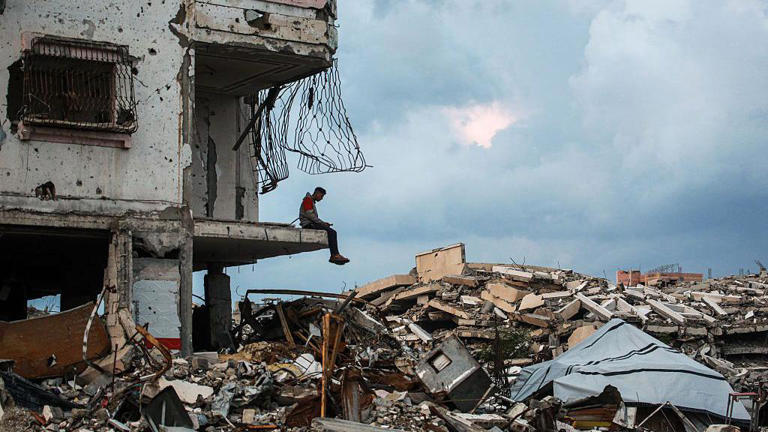
La crisis humanitaria en Gaza se agrava con cada día que pasa sin un acuerdo definitivo. La destrucción de infraestructura básica, la escasez de alimentos y medicinas, y el desplazamiento masivo de población civil exigen soluciones urgentes que solo pueden materializarse con un acuerdo de paz integral. Los analistas advierten que el fracaso de esta segunda fase podría significar el colapso total del proceso de negociación y el reinicio de hostilidades a gran escala en la región.
English version
Israel-Hamas ceasefire: obstacles in second phase
By: Luis Alberto Figueroa, professional card 0222 issued by the Ministry of National Education
The second phase of the ceasefire between Israel and Hamas, promoted by the United States, faces serious obstacles that threaten to prolong the conflict in the Gaza Strip. Negotiations have stalled due to fundamental disagreements over hostage release, withdrawal of Israeli troops, and guarantees for reconstruction of Palestinian territory. International mediators, including Qatar and Egypt, are working intensively to bring the parties closer together, but differences persist on crucial issues that prevent progress toward lasting peace in the region.
The ceasefire agreement originally contemplated multiple stages, with the first focused on a temporary cessation of hostilities and the initial exchange of hostages for Palestinian prisoners. However, the transition to the second phase requires deeper commitments that neither party seems willing to fully accept. Israel demands guarantees about dismantling Hamas’s military infrastructure, while the Palestinian group conditions any progress on the total withdrawal of occupation forces and the lifting of the blockade.
U.S. mediation has been key in keeping conversations alive, with the Washington government exerting diplomatic pressure on both sides. However, the complexity of the Israeli-Palestinian conflict and the internal political pressures faced by both the Israeli prime minister and Hamas leaders make necessary consensus difficult. The international community watches with concern as each day of delay in negotiations means more suffering for the civilian population trapped in the conflict.
One of the main points of friction is the fate of Israeli hostages who remain in the custody of Hamas and other armed groups in Gaza. Israel has established their release as an indispensable condition for any significant progress, while Palestinians demand the release of thousands of prisoners in Israeli jails. This unequal exchange in numbers and the associated security guarantees represent a Gordian knot that mediators struggle to untie.
The humanitarian crisis in Gaza worsens with each passing day without a definitive agreement. The destruction of basic infrastructure, shortage of food and medicine, and massive displacement of civilian population demand urgent solutions that can only materialize with a comprehensive peace agreement. Analysts warn that the failure of this second phase could mean the total collapse of the negotiation process and the resumption of large-scale hostilities in the region.
Más Noticias
 26 enero, 2021 Murió por covid-19 Julio Roberto Gómez, presidente de la Confederación General de Trabajadores
 - 6 agosto, 2018 Por William Garcia Rodriguez, Conducta Anticorrupciòn
- 13 noviembre, 2019 Excanciller CarlosHomes Truillo Garcia, Nuevo Ministro de Defensa
- 12 marzo, 2018 Ivàn Duque confirmò que Marta Lucia Ramirez, sera su fòrmula vicepresidencial


