


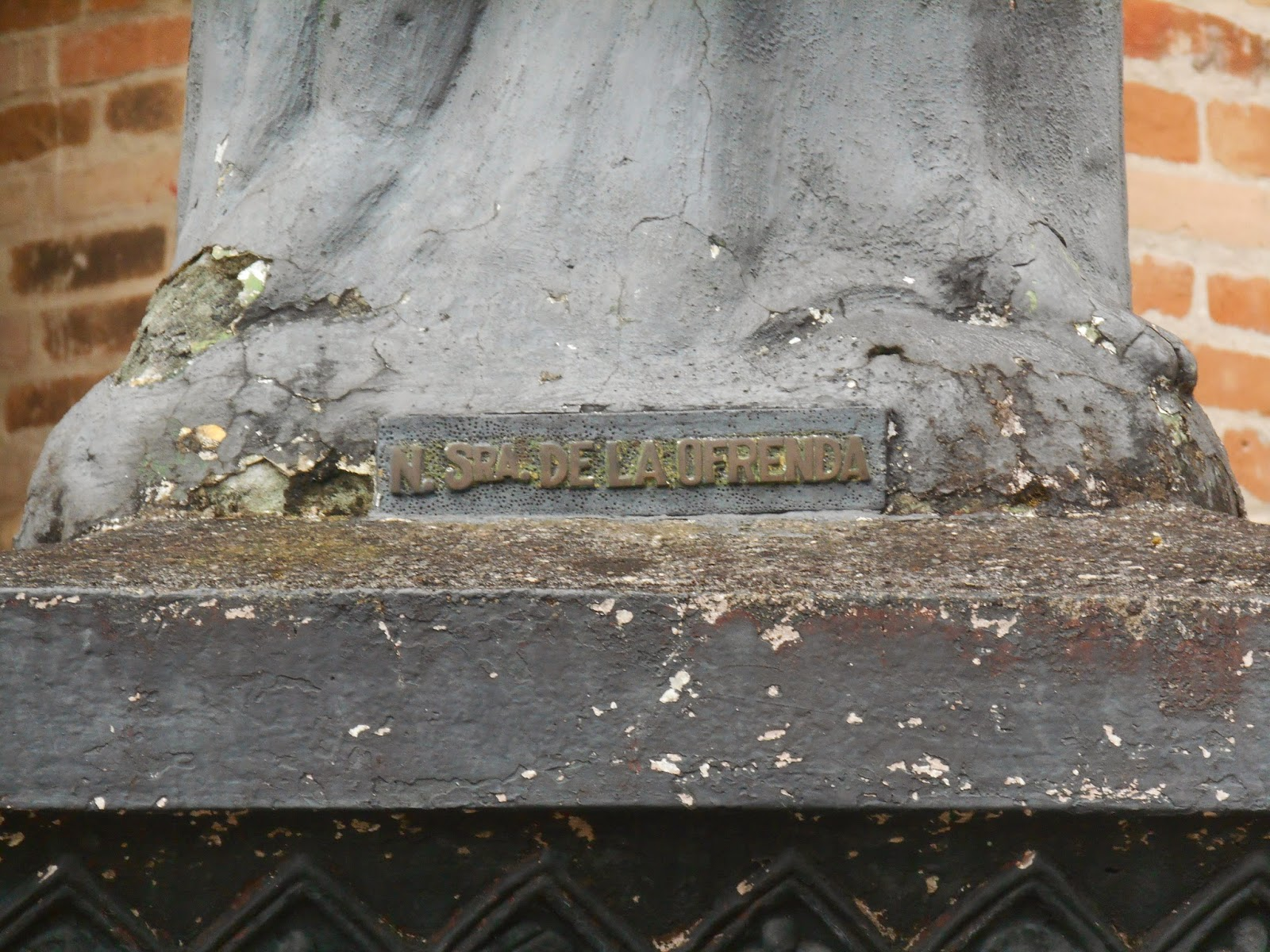
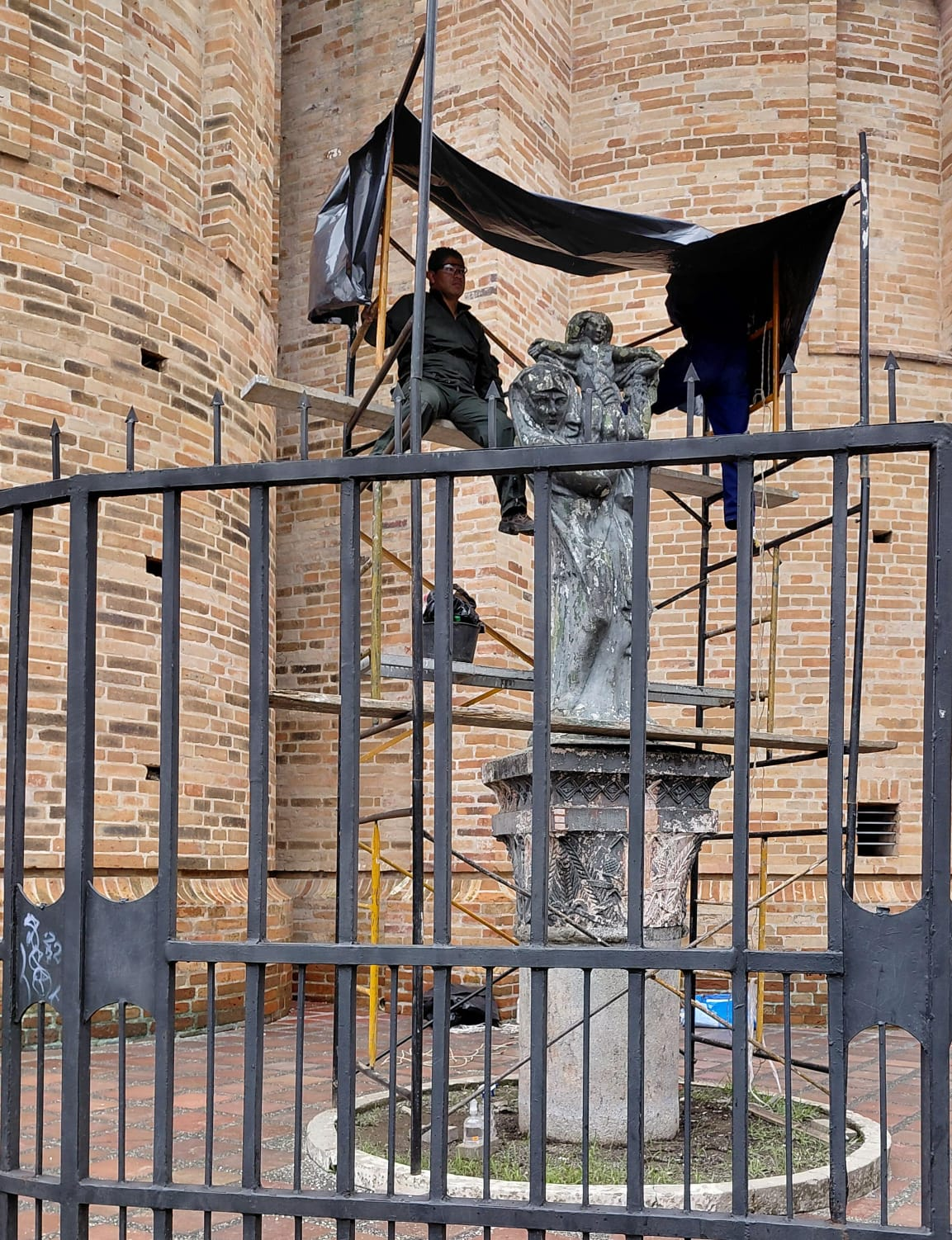
El obispo de la Diócesis de Pereira, Nelson Jair Ramírez Cardona, movilizó acciones tras la solicitud de restauración del monumento Virgen de la Ofrenda, obra del escultor pereirano Leónidas Méndez, ubicado en la Catedral de Nuestra Señora de la Pobreza de Pereira de la carrera 7 con calle 21. La petición —iniciada por el medio de comunicación social ciberespacial www.notieje.com— había denunciado el abandono del monumento, expuesto al deterioro por clima y descuido, y urgía su restauración y cuidado.
Más allá de restaurar la escultura, la intervención implicará también un mantenimiento más amplio de la catedral, buscando preservar no solo una obra artística sino el valor patrimonial del templo. Este gesto es interpretado por feligreses y ciudadanos como una apuesta por la memoria colectiva y el patrimonio cultural de la ciudad.
Historia de la catedral: más que un templo
La Catedral de Nuestra Señora de la Pobreza es el principal templo de culto católico en Pereira. Fue elevada a rango de catedral en 1952, aunque su historia es más antigua: la construcción actual data de finales del siglo XIX.
Su estructura es notable: la cúpula descansa sobre más de 13.000 piezas de madera de comino crespo, testimonio de una arquitectura sísmica adaptada al contexto andino, que ha sobrevivido terremotos históricos.
Además, el templo ha sido objeto de restauraciones anteriores. Tras los daños causados por el sismo de 1999, se emprendió un proceso de reconstrución integral que incluyó trabajos arqueológicos, ya que bajo sus pisos se hallaron vestigios de asentamientos antiguos, lo que evidencia que el lugar ha sido sagrado desde épocas coloniales.
¿Por qué es relevante esta restauración?
- Rescate patrimonial y artístico: Restaurar la escultura de la Virgen de la Ofrenda —obra de Leónidas Méndez— significa devolver visibilidad y dignidad a una pieza emblemática del arte religioso local.
- Preservación del patrimonio arquitectónico: El mantenimiento de la catedral ayuda a conservar una construcción histórica cuya estructura de madera y ladrillo representa una técnica tradicional adaptada a las condiciones sísmicas de la región.
- Memoria colectiva y espiritualidad: Para muchos creyentes y habitantes de Pereira, la catedral y sus imágenes constituyen un vínculo con la historia, la fe y la identidad local.
- Conciencia ciudadana: La labor de Notieje.com demostró cómo el periodismo local puede servir como canal de alerta y movilización para la conservación del patrimonio.
Un nuevo comienzo para un símbolo de Pereira
El llamado hecho por Notieje.com no fue ignorado. La respuesta del obispo Ramírez Cardona marca el inicio de un proceso que podría devolver al templo y a la escultura su dignidad, cuidando así el legado religioso, artístico e histórico de Pereira. Esta restauración —y el mantenimiento general del templo— representan una esperanza para la comunidad, que ve en este gesto un compromiso real con su memoria, su patrimonio y su identidad.
Este esfuerzo no solo embellecerá el entorno —la cara visible de un monumento religioso— sino que también reafirmará el valor de conservar lo sagrado, lo histórico y lo comunitario.
Mil gracias por la atención prestada a este medio de comunicación.
Atentamente,
Luis Alberto Figueroa.
T.P 0222 expedida por el ministerio de educación nacional
320-846-3710
INGLISH VERSION
BISHOP OF PEREIRA NELSON JAIR RAMIREZ CARDONA RESPONDED TO THE CALL FROM THE CYBERSPACE NEWSPAPER WWW.NOTIEJE.COM REGARDING THE RESTORATION OF THE VIRGIN OF THE OFFERING MONUMENT.
The bishop of the Diocese of Pereira, Nelson Jair Ramírez Cardona, mobilized actions following the request for restoration of the Virgin of the Offering monument, a work by Pereira sculptor Leónidas Méndez, located at the Cathedral of Our Lady of Poverty of Pereira on 7th Avenue with 21st Street. The petition—initiated by the cyberspace social media outlet www.notieje.com—had denounced the abandonment of the monument, exposed to deterioration by weather and neglect, and urged its restoration and care.
Beyond restoring the sculpture, the intervention will also involve broader maintenance of the cathedral, seeking to preserve not only an artistic work but also the heritage value of the temple. This gesture is interpreted by parishioners and citizens as a commitment to the collective memory and cultural heritage of the city.
History of the cathedral: more than a temple
The Cathedral of Our Lady of Poverty is the main Catholic worship temple in Pereira. It was elevated to cathedral status in 1952, although its history is older: the current construction dates from the late 19th century.
Its structure is remarkable: the dome rests on more than 13,000 pieces of comino crespo wood, testimony to seismic architecture adapted to the Andean context, which has survived historic earthquakes.
Additionally, the temple has undergone previous restorations. After the damage caused by the 1999 earthquake, a comprehensive reconstruction process was undertaken that included archaeological work, as vestiges of ancient settlements were found beneath its floors, evidencing that the site has been sacred since colonial times.
Why is this restoration relevant?
• Heritage and artistic rescue: Restoring the sculpture of the Virgin of the Offering—a work by Leónidas Méndez—means restoring visibility and dignity to an emblematic piece of local religious art.
• Preservation of architectural heritage: The maintenance of the cathedral helps preserve a historic construction whose wood and brick structure represents a traditional technique adapted to the region’s seismic conditions.
• Collective memory and spirituality: For many believers and residents of Pereira, the cathedral and its images constitute a link with history, faith, and local identity.
• Citizen awareness: The work of Notieje.com demonstrated how local journalism can serve as a channel for alerting and mobilizing for heritage conservation.
A new beginning for a symbol of Pereira
The call made by Notieje.com was not ignored. Bishop Ramírez Cardona’s response marks the beginning of a process that could restore dignity to the temple and the sculpture, thus caring for the religious, artistic, and historical legacy of Pereira. This restoration—and the general maintenance of the temple—represent hope for the community, which sees in this gesture a real commitment to its memory, heritage, and identity.
This effort will not only beautify the environment—the visible face of a religious monument—but will also reaffirm the value of preserving what is sacred, historical, and communal.
A thousand thanks for the attention given to this media outlet.
Sincerely,
Luis Alberto Figueroa.
T.P 0222 issued by the Ministry of National Education
320-846-3710
Más Noticias
 6 octubre, 2021 Presidente Duque subraya que reapertura de paso por la frontera es un triunfo de los ciudadanos.
- 25 febrero, 2023 Gabriel Jaime Vallejo, Secretario General del CD en Colombia.
- 16 diciembre, 2018 Las Familias en Diciembre Siempre Esperan Disfrutar un Hermoso Pesebre
- 30 enero, 2026 EÑ PERIÓDICO CIBERESPACIAL LAMENTA PROFUNDAMENTE EL FALLECIMIENTO DEL REPRESENTANTE A LA CAMARA DIOG, Y ENVIA A FAMILARES Y COMPAÑEROS Y AMIGOS SU MÁS SNTIDO PESAME.(Q.E.P.D.).-