

Irán lanzó una fuerte advertencia este 19 de marzo de 2026 al asegurar que podría atacar las principales instalaciones energéticas del Golfo Pérsico, en respuesta a los bombardeos ejecutados por Estados Unidos e Israel contra su infraestructura gasística. La amenaza se produce en medio de la guerra en Oriente Medio, iniciada a finales de febrero, y marca una nueva fase del conflicto al involucrar directamente recursos clave para la economía mundial.
La escalada comenzó tras el ataque al gigantesco yacimiento de gas South Pars, uno de los más importantes del planeta, lo que provocó represalias inmediatas de Teherán contra refinerías y plantas energéticas en países como Qatar, Arabia Saudita y Emiratos Árabes Unidos. Este intercambio de ataques ha convertido la crisis energética global en un factor central del conflicto, elevando el riesgo de interrupciones prolongadas en el suministro.
En el plano internacional, la comunidad global observa con preocupación el impacto económico de esta confrontación. Los precios del petróleo y el gas han experimentado aumentos significativos, mientras gobiernos y organismos financieros advierten sobre posibles efectos inflacionarios y desaceleración económica. La amenaza sobre rutas estratégicas como el estrecho de Ormuz intensifica la incertidumbre en los mercados energéticos.
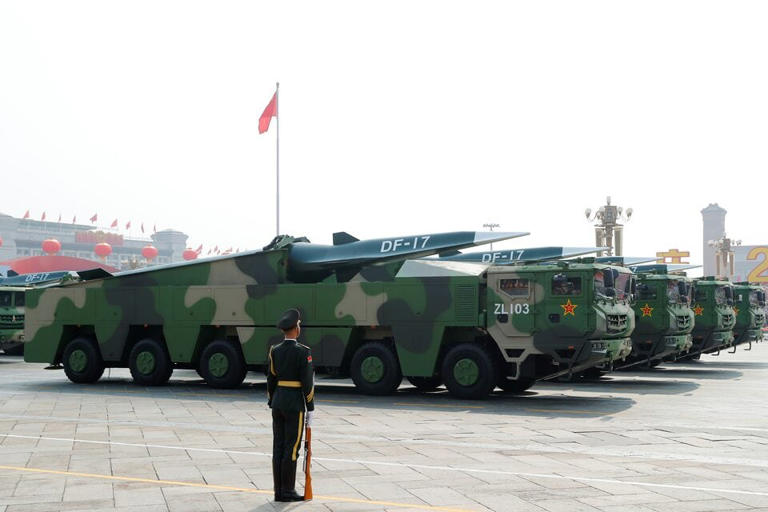
A nivel militar, Irán ha demostrado mantener capacidad de respuesta mediante ataques con misiles y drones, pese a los daños sufridos en su infraestructura. Por su parte, Estados Unidos e Israel continúan enfocando sus operaciones en objetivos estratégicos, lo que sugiere que la guerra entre Irán, Estados Unidos e Israel podría prolongarse y expandirse a otros países de la región.
Expertos en geopolítica coinciden en que esta fase del conflicto representa un punto crítico, ya que la inclusión de instalaciones energéticas como objetivos militares eleva el riesgo de una crisis de alcance mundial. La falta de señales claras de desescalada mantiene en alerta a la comunidad internacional ante un escenario que podría redefinir el equilibrio en Oriente Medio.
English version
Iran raises global tensions with threat to Gulf energy infrastructure
Iran issued a strong warning on March 19, 2026, stating it could target major energy facilities in the Persian Gulf in response to strikes carried out by the United States and Israel on its gas infrastructure. The threat comes amid the ongoing Middle East war, which began in late February, and signals a new phase of the conflict by directly involving resources critical to the global economy.
The escalation followed an attack on the massive South Pars gas field, one of the largest in the world, triggering immediate retaliation by Tehran against refineries and energy plants in countries such as Qatar, Saudi Arabia, and the United Arab Emirates. This exchange has made the global energy crisis a central element of the conflict, increasing the risk of prolonged supply disruptions.
At the international level, governments and financial institutions are closely monitoring the economic impact of the confrontation. Oil and gas prices have surged, raising concerns about inflation and potential economic slowdown. The threat to strategic routes like the Strait of Hormuz has further intensified uncertainty in global energy markets.
Militarily, Iran has shown it still retains the ability to respond with missile and drone attacks despite suffering damage to its infrastructure. Meanwhile, the United States and Israel continue focusing on strategic targets, suggesting that the Iran–United States–Israel war could last longer and potentially expand across the region.
Geopolitical experts agree that this stage of the conflict represents a critical turning point, as targeting energy infrastructure significantly raises the risk of a worldwide crisis. With no clear signs of de-escalation, the international community remains on high alert over a conflict that could reshape the balance of power in the Middle East.
Más Noticias
 29 junio, 2020 Alcalde Asume más Responsabilidad en contra del Covid-19 en Pereira
- 10 febrero, 2024 MinComercio en Territorio’, estrategia para impulsar el desarrollo productivo y el turismo en las regiones del país llegó a Santander
- 13 febrero, 2025 NOTICIAS DE LA OFICINA DE PRENSA DE LA ALCADÍA MUNICIPAL.
- 1 septiembre, 2023 AVANCE. Una democracia. significa que el Estado es sirviente de la ciudadanía. Este acto es el reconocimiento de un Estado que mata la ciudadanía. No es democrático: Presidente Gustavo Francisco Petro Urrego.