


EL ABUSO DE LA PROTESTA.
POR: LUIS ALBERTO FIGUEROA — LUALFI — TARJETA PROFESIONAL 0222 EXPEDIDA POR EL MINISTERIO DE EDUCACIÓN NACIONAL.
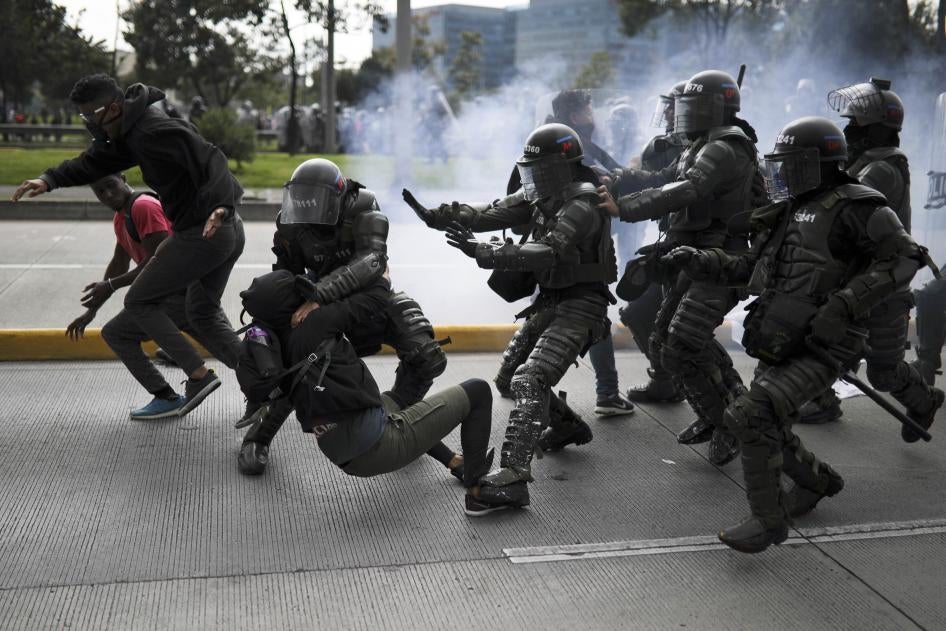
LA Constitución Nacional garantiza a todos los ciudadanos el derecho a protestar, a no estar de acuerdo con medidas del gobierno, a expresarlo públicamente a aún a manifestarlo marchando y ocupando el espacio público.
Y las autoridades tienen la obligación de proteger a estas expresiones ciudadanas.
Pero esto es bien distinto a la costumbre que ha hecho carrera en el país, estimula y financiada por el gobierno del presidente Gustavo Francisco Petro Urrego cuando aún no lo era, de bloquear porque sí y porque no las vías públicas más concurridas y las que más caos y perjuicios causan a las respectivas regiones, al país, a la economía y, por supuesto, a los ciudadanos.
Durante el año que terminó, según el informe que acaba de entregar la Federación Colombia de transportadores de Carga por carretera, se han presentado en el país 786 bloqueos viales, el 6% más de las interrumpidas en 2023, lo que quiere decir dos vías cerradas cada día.
Esto, traducido en pesos, significa solo para el gremio transportador una pérdida de 4,4 billones de pesos, correspondientes a toda la inactividad que genera mantener parados decenas de tractomulas y camiones en odas las vías del país.
Para hablar únicamente de las horas perdidas en las carreteas, estas pasaron, de acuerdo con el mismo informe, de 9.000 al año 2023 a 11.500 el año pasado.
Ahora para la economía nacional las pérdidas según el presidente de la ANDI superan al cierre de 2024 los 7.9 billones de pesos, una suma astronómica difícil de absorber si se tiene en cuenta el complejo año que vivió el sector empresarial por cuenta de la incertidumbre política, la inseguridad jurídica y la amenaza de unas reformas laborales tributaria cuyos alcances aún son desconocidos.
Lo doloroso del abuso del derecho a protestar un porcentaje muy alto de los bloqueos han sido por razones que nada tiren que ver con el amparo constitucional a la protesta.
THE ABUSE OF PROTEST.
BY: LUIS ALBERTO FIGUEROA — LUALFI — PROFESSIONAL CARD 0222 ISSUED BY THE MINISTRY OF NATIONAL EDUCATION.
The National Constitution guarantees all citizens the right to protest, to disagree with government measures, to express it publicly and even to demonstrate it by marching and occupying public space.
And the authorities have the obligation to protect these citizen expressions.
But this is very different from the custom that has become popular in the country, encouraged and financed by the government of President Gustavo Francisco Petro Urrego when he was not yet, of blocking the busiest public roads and those that cause the most chaos and damage to the respective regions, the country, the economy and, of course, the citizens.
During the year that ended, according to the report just released by the Colombian Federation of Road Cargo Transporters, there have been 786 roadblocks in the country, 6% more than those interrupted in 2023, which means two roads closed every day.
This, translated into pesos, means a loss of 4.4 billion pesos for the transport industry alone, corresponding to all the inactivity generated by keeping dozens of tractor-trailers and trucks stopped on all the country’s roads.
To speak only of the hours lost on the roads, these went from 9,000 in 2023 to 11,500 last year, according to the same report.
Now, for the national economy, according to the president of ANDI, losses exceed 7.9 billion pesos by the end of 2024, an astronomical sum that is difficult to absorb if one takes into account the complex year that the business sector experienced due to political uncertainty, legal insecurity and the threat of tax and labor reforms whose scope is still unknown.
The painful thing about the abuse of the right to protest is that a very high percentage of the blockades have been for reasons that have nothing to do with the constitutional protection of protest.
Más Noticias
 29 julio, 2022 NOTICIAS DE DOSQUEBRADAS MUNICIPIO INDUSTRIAL DE RISARALDA
- 24 abril, 2020 Gobernación de Risaralda Realiza Seguimiento a plantas Procesadoras de Platano
- 16 septiembre, 2024 POR EL COLUMISTA ESTIVEN CIFUENTES PARA EL PERIÓDICO CIBERESPACIAL WWW.NOTIEJE.COM. JUANITA CARDENAS LA JOVEN QUE MURIO ARROLLADA POR EL TREN DE LA SABANA.
- 17 enero, 2019 El nuevo comandante de la Regiòn tres hizo su presentaciòn ante el Gobernador de Risaralda