


Por: Luis Alberto Figueroa, Comunicador Social Periodista. Tarjeta Profesional 0222 expedida por el Ministerio de Educación Nacional.
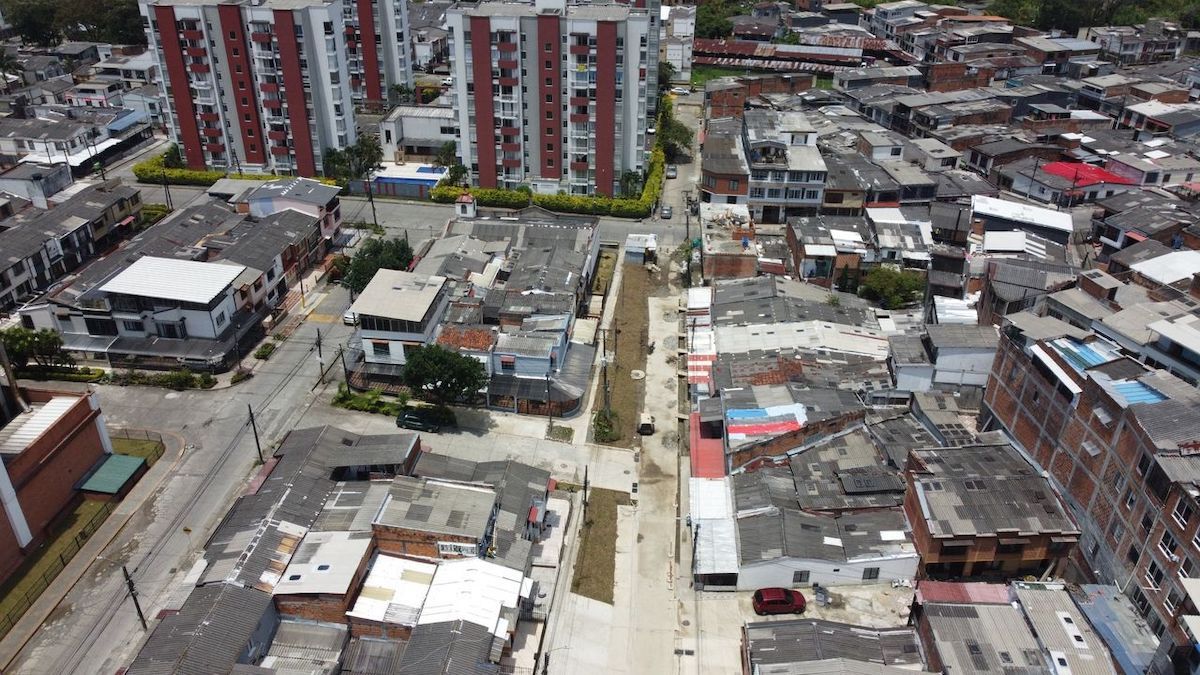
La comunidad de los barrios Santa Mónica, Japón, Aurora Baja, Olaya Herrera y Edén continúa denunciando graves afectaciones por las demoras y fallas en la obra del Box Culvert Agüita–Montebonito, un proyecto que buscaba solucionar problemas de inundación y manejo de aguas en las comunas 2 y 5 del municipio. La iniciativa fue presentada en enero de 2023 durante la administración local de ese momento, pero más de un año después los habitantes aseguran que las lluvias siguen generando emergencias, deterioro de viviendas y condiciones insalubres que afectan a decenas de familias.
Los problemas en la zona se remontan al 17 de agosto de 2017, cuando comenzaron a fracturarse las losas del antiguo polideportivo del barrio Japón. Desde entonces, líderes comunitarios alertaron sobre la necesidad de intervenir los afluentes de la quebrada Frailes y corregir las fallas estructurales que amenazaban a las viviendas cercanas. Sin embargo, según los residentes, las soluciones llegaron tarde y hoy la situación parece más crítica debido al represamiento de aguas y acumulación de sedimentos.
La comunidad sostiene que el nuevo sistema hidráulico presenta un “cuello de botella”, ya que el caudal desemboca en una estructura antigua con menor capacidad, provocando taponamientos constantes. Durante las fuertes lluvias, el agua mezclada con barro y residuos se devuelve hacia las calles y viviendas, generando inundaciones, malos olores y daños materiales. Los habitantes afirman que algunas casas tuvieron que ser abandonadas debido a las grietas y al debilitamiento del terreno provocado por la humedad permanente.
Los afectados también denuncian retrasos en los pagos prometidos para la reparación de viviendas averiadas. De acuerdo con los veedores ciudadanos, únicamente una parte de las familias ha recibido apoyo económico, mientras decenas de hogares continúan esperando recursos para reconstruir sus casas. A esto se suma el malestar por las facturas de servicios públicos y de impuestos que siguen llegando puntualmente, incluso en inmuebles desocupados por las afectaciones.
Las voces de los residentes reflejan el cansancio y la incertidumbre que vive la comunidad. Algunos aseguran que las alcantarillas colapsan con lluvias leves y que los olores provenientes del lodo y aguas residuales hacen difícil permanecer en el sector. Otros consideran que la obra, que debía convertirse en una solución definitiva para el manejo de aguas y la movilidad, terminó agravando los problemas existentes y aumentando el riesgo para cientos de personas.
Ante este panorama, líderes comunitarios y veedores esperan la intervención de los entes de control para determinar responsabilidades y exigir la culminación adecuada del proyecto. Mientras avanzan las denuncias ciudadanas, el temor por nuevas inundaciones crece entre las familias afectadas, quienes insisten en que el tiempo pasa, los costos aumentan y las soluciones siguen sin llegar.
English version
Incomplete Box Culvert Project Keeps Dozens of Families in Crisis
By: Luis Alberto Figueroa, Social Communicator Journalist. Professional License 0222 issued by the Ministry of National Education.
Residents from the neighborhoods of Santa Mónica, Japón, Aurora Baja, Olaya Herrera, and Edén continue to report serious problems caused by delays and failures in the Agüita–Montebonito Box Culvert project, which was intended to solve flooding and water management issues in districts 2 and 5 of the municipality. The project was introduced in January 2023 during the previous local administration, but more than a year later, residents say heavy rains still cause emergencies, property damage, and unhealthy living conditions affecting dozens of families.
The problems in the area date back to August 17, 2017, when cracks began appearing in the concrete slabs of the former sports complex in the Japón neighborhood. Since then, community leaders warned about the urgent need to intervene in the tributaries of the Frailes stream and correct structural failures threatening nearby homes. According to local residents, the solutions arrived too late, and the situation has now become even more critical due to water stagnation and sediment accumulation.
Community members claim the new hydraulic system has created a “bottleneck” because the new structure drains into an older pipe with much lower capacity, causing constant blockages. During heavy rains, water mixed with mud and debris flows back into streets and homes, producing floods, foul odors, and significant material damage. Residents say some houses had to be abandoned because of cracks and unstable ground caused by permanent humidity.
Affected families have also reported delays in compensation payments intended for home repairs. Citizen watchdog groups state that only part of the affected households have received financial support, while dozens of families are still waiting for resources to rebuild their homes. Residents are also frustrated because utility bills and property taxes continue arriving on time, even for homes that have been abandoned due to the damage.
The testimonies of residents reveal growing exhaustion and uncertainty within the community. Some say drainage systems collapse even during light rain and that the smell from mud and wastewater makes daily life unbearable. Others believe the project, which was supposed to become a permanent solution for water management and mobility, has instead worsened existing problems and increased the risks faced by hundreds of people.
Faced with this situation, community leaders and citizen watchdogs are calling for intervention from the control authorities to determine responsibilities and demand the proper completion of the project. As complaints continue to grow, fear of new flooding remains high among affected families, who insist that time is passing, costs are increasing, and real solutions have yet to arrive.
Más Noticias
 12 septiembre, 2023 NOTICIAS BREVES DEL DEPARTAMENTO DE RISARALDA PARA COLOMBIA Y EL MUNDO. POR: LUIS ALBERTO FIGUEROA -T.P. 0222 MEN-COLOMBIA.
- 10 marzo, 2019 Gobernaciòn diò cumplimiento a las necesidades de las familias indigenas de Mistrtò
- 2 julio, 2025 CUATRO FRASES DEL ACUERDO. CACAO POR COCA EN NARIÑO.
- 8 febrero, 2025 Información que Surgió del Consejo de Ministros.