


Por: Luis Alberto Figueroa, tarjeta profesional 0222 expedida por el Ministerio de Educación Nacional.
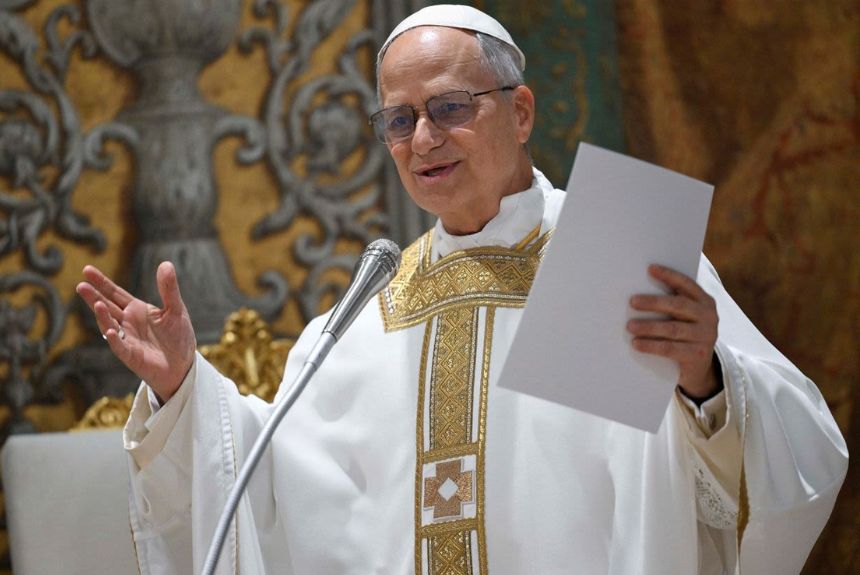
El Viernes Santo volvió a marcar uno de los momentos más solemnes de la Semana Santa con la conmemoración de la pasión, crucifixión y muerte de Jesús de Nazaret en el Calvario. En esta jornada central para la Iglesia Católica, el papa León XIV presidió por primera vez en su pontificado la liturgia de la Pasión de Cristo en la Basílica de San Pedro, en el Vaticano, donde encabezó una ceremonia cargada de recogimiento, oración y profundo simbolismo religioso.
Ataviado con vestiduras rojas, color que representa el martirio, el pontífice retomó uno de los gestos más impactantes de esta celebración: postrarse completamente ante el Altar de la Confesión, lugar que la tradición cristiana vincula con la tumba del apóstol San Pedro. Este acto de humildad, de fuerte contenido espiritual, volvió a tener protagonismo en una fecha en la que la Iglesia invita a los fieles al ayuno, la abstinencia de carne y la reflexión interior sobre el sacrificio de Cristo.
La liturgia se centró en la Pasión de Cristo narrada según el Evangelio de San Juan, acompañada por los cánticos de los diáconos y la participación de miles de creyentes que llenaron el templo. Como establece el calendario litúrgico, durante esta jornada no se celebra la consagración eucarística como señal de luto, aunque sí se distribuyó la comunión entre los asistentes. A la ceremonia acudieron además miembros de la Curia Romana y representantes diplomáticos acreditados ante la Santa Sede.
Uno de los momentos más esperados de esta Semana Santa será el Vía Crucis en el Coliseo de Roma, donde León XIV asumirá personalmente el recorrido de las 14 estaciones cargando la cruz de madera. La decisión ha sido interpretada como una señal de cercanía pastoral y fortaleza espiritual, al tratarse de un gesto de gran exigencia física y de alto valor simbólico dentro de la tradición católica.
Con esta participación directa, el Papa busca reforzar el mensaje de fraternidad, oración y acompañamiento a quienes atraviesan el sufrimiento humano. La imagen de León XIV en los actos del Viernes Santo proyecta una Iglesia que no solo preserva sus tradiciones, sino que también intenta hacerlas más vivas y cercanas en un tiempo marcado por desafíos sociales, espirituales y humanitarios a escala global.
English version
Good Friday: Pope Leo XIV (Robert Francis Prevost Martinez) resumes rites in the Vatican.
Por: Luis Alberto Figueroa, tarjeta profesional 0222 expedida por el Ministerio de Educación Nacional.
Good Friday once again marked one of the most solemn moments of Holy Week, commemorating the passion, crucifixion, and death of Jesus of Nazareth at Calvary. On this central day for the Catholic Church, Pope Leo XIV presided for the first time in his pontificate over the liturgy of Christ’s Passion at St. Peter’s Basilica in the Vatican, leading a ceremony filled with prayer, reflection, and profound religious symbolism.
Wearing red vestments, the color associated with martyrdom, the pontiff restored one of the most striking gestures of the celebration by lying prostrate before the Altar of the Confession, the site traditionally linked to the tomb of Saint Peter. This act of humility carried deep spiritual significance on a day when the Church calls the faithful to fasting, abstinence from meat, and inner reflection on Christ’s sacrifice.
The service focused on the Passion of Christ as recounted in the Gospel of John, accompanied by the chants of the deacons and the presence of thousands of worshippers gathered inside the basilica. In accordance with the liturgical calendar, no Eucharistic consecration was held as a sign of mourning, although Holy Communion was distributed to those in attendance. Members of the Roman Curia and diplomats accredited to the Holy See were also present.
One of the most anticipated events of this Holy Week will be the Way of the Cross at Rome’s Colosseum, where Leo XIV is expected to personally carry the wooden cross through all 14 stations. The decision has been widely seen as a sign of pastoral closeness and spiritual strength, given the physical and symbolic weight of the act within Catholic tradition.
Through this direct participation, the Pope seeks to reinforce a message of fraternity, prayer, and solidarity with those who endure suffering. Leo XIV’s presence during Good Friday observances presents an image of a Church that not only preserves its traditions, but also strives to make them more vivid and meaningful in a world facing social, spiritual, and humanitarian challenges.
Más Noticias
 26 abril, 2025 EL LEGADO DE JOGE MRIO BERGOGLIO SIVORI. (PAPA FRANCISCO ) , POR EL COMUNICAOR SOCIAL PERIODISTA, LUIS FERNANDO CADONA GUTIERREZ, DIRECTOR DEL PERIÓDICO EL OPINDERO.
- 3 mayo, 2025 RADICAN UEJA CONTRA LA MINISITRA DE RELACIONES EXTERIORES, LAURA SARABIA, POR ABUSO DE PODER
- 28 mayo, 2023 BARARIE Y SEVICIA SIN LÍMITES
- 9 junio, 2025 ARMANDO BENEDETTI, MINISTRO DEL INTERIOR., , REITERA LA VOLUNTAD DEL GOBIERNO DE COLABORAR PARA QUE SE ACLARE EL ATENTADO CONTRA EL SENADOR MIGUEL URIBE TURBAY.