


,type=downsize)
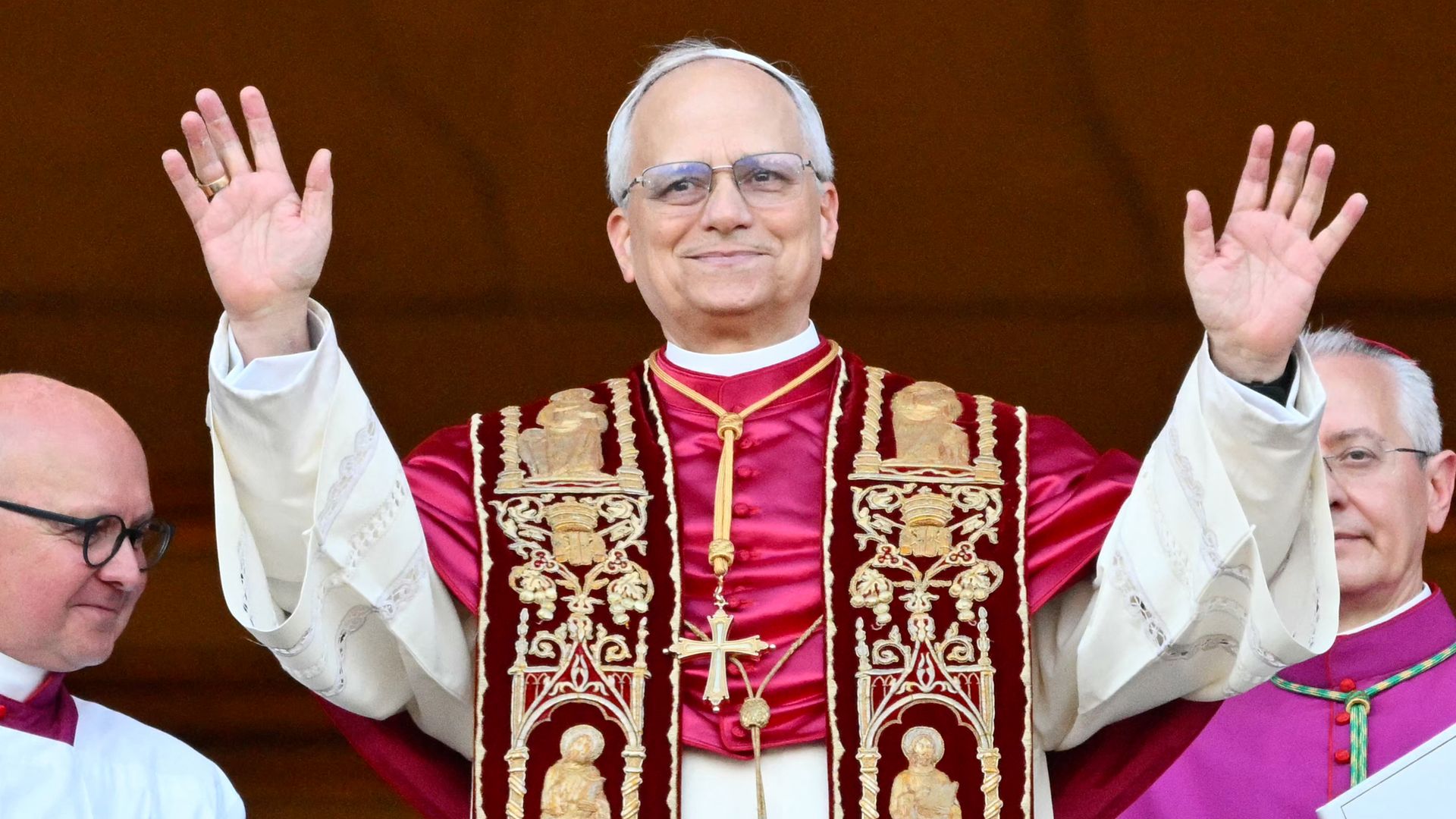
ROBERT FRANCIS PREVOST MARTINEZ, PAPA LEON XIV
Por: Luis Alberto Figueroa, tarjeta profesional 0222 expedida por el Ministerio de Educación Nacional
La Jornada Mundial de la Paz 2026 bajo el lema «Desarmada y desarmarte» representa un llamado histórico de la comunidad internacional para avanzar hacia un mundo libre de armas y conflictos armados. Este evento global, que se llevará a cabo durante el próximo año, busca movilizar gobiernos, organizaciones civiles y ciudadanía en torno a la construcción de paz sostenible mediante la reducción de arsenales militares y el fortalecimiento de mecanismos de diálogo diplomático.
La iniciativa surge en un contexto donde los gastos militares mundiales continúan en ascenso, desviando recursos que podrían destinarse a educación, salud y desarrollo. Expertos en relaciones internacionales señalan que la carrera armamentista perpetúa ciclos de violencia y desconfianza entre naciones, impidiendo el avance hacia objetivos de desarrollo sostenible. La Jornada de 2026 pretende revertir esta tendencia mediante la promoción de políticas de desarme progresivo y la construcción de confianza mutua entre actores globales.
El concepto «desarmarte» que acompaña al lema enfatiza la necesidad de transformar mentalidades y estructuras que justifican la acumulación de armas. Organizaciones de derechos humanos y paz han respaldado esta convocatoria, argumentando que el verdadero desarrollo humano solo es posible cuando se invierten recursos en bienestar colectivo en lugar de capacidad destructiva. La jornada incluirá foros de debate, campañas de sensibilización y compromisos concretos de gobiernos para reducir su gasto militar.
Durante 2026, se espera que múltiples actores internacionales presenten propuestas innovadoras para fortalecer tratados de no proliferación nuclear, controlar el comercio ilegal de armas convencionales y establecer zonas de paz regional. La cooperación internacional será fundamental para lograr acuerdos vinculantes que trasciendan declaraciones simbólicas y generen cambios tangibles en políticas de seguridad nacional.
La Jornada Mundial de la Paz 2026 representa una oportunidad única para que la humanidad reflexione sobre el costo real de los conflictos armados y se comprometa con alternativas basadas en la diplomacia, la justicia y la equidad. Aunque los desafíos son significativos, la convocatoria global demuestra que existe voluntad política y social para construir un futuro donde el desarme sea una realidad y no solo una aspiración.
English version
Peace: 2026 Global Summit Calls for Worldwide Disarmament
By: Luis Alberto Figueroa, professional card 0222 issued by the Ministry of National Education
The 2026 World Peace Day under the theme «Disarmed and Disarming» represents a historic call from the international community to advance toward a world free from weapons and armed conflict. This global event, to be held during the coming year, seeks to mobilize governments, civil organizations, and citizens around the construction of sustainable peace through the reduction of military arsenals and the strengthening of diplomatic dialogue mechanisms.
The initiative emerges in a context where global military spending continues to rise, diverting resources that could be allocated to education, health, and development. International relations experts point out that the arms race perpetuates cycles of violence and mistrust between nations, preventing progress toward sustainable development goals. The 2026 Day aims to reverse this trend by promoting progressive disarmament policies and building mutual trust among global actors.
The concept of «disarming» that accompanies the theme emphasizes the need to transform mindsets and structures that justify weapons accumulation. Human rights and peace organizations have endorsed this call, arguing that true human development is only possible when resources are invested in collective well-being rather than destructive capacity. The day will include debate forums, awareness campaigns, and concrete government commitments to reduce military spending.
During 2026, multiple international actors are expected to present innovative proposals to strengthen nuclear non-proliferation treaties, control the illegal trade of conventional weapons, and establish regional peace zones. International cooperation will be fundamental to achieving binding agreements that transcend symbolic declarations and generate tangible changes in national security policies.
The 2026 World Peace Day represents a unique opportunity for humanity to reflect on the real cost of armed conflicts and commit to alternatives based on diplomacy, justice, and equity. Although challenges are significant, the global call demonstrates that there is political and social will to build a future where disarmament becomes a reality and not merely an aspiration.
Más Noticias
 6 mayo, 2022 SE APAGÓ EL HIJO DE LAS ESTRELLAS HERNÁN PELÁEZ LÓPEZ (Por: Rubén Darío Franco Narváez).
- 6 noviembre, 2018 Breves de la Policía Metropolitana de Pereira
- 20 marzo, 2021 A julio, se espera que Colombia reciba 23,2 millones de vacunas contra el covid-19: MinSalud.
- 21 junio, 2022 Nuevo Conservatismo será Salvación nacional