


POR: LUIS ALBERTO FIGUEROA — LUALFI — TARJETA PROFESIONAL 0222 EXPEDIDA POR EL MINISTERIO DE EDUCACIÓN NACIONAL.
Risaralda goza de una calidad del agua, Pero sobre todo en las áreas urbanas y centros poblados, porque en la zona rural el panorama es distinto.
El departamento tiene una riqueza hídrica envidiable, ríos, quebradas lagunas y demás fuentes de agua que se pueden ver a lo largo y ancho del territorio.
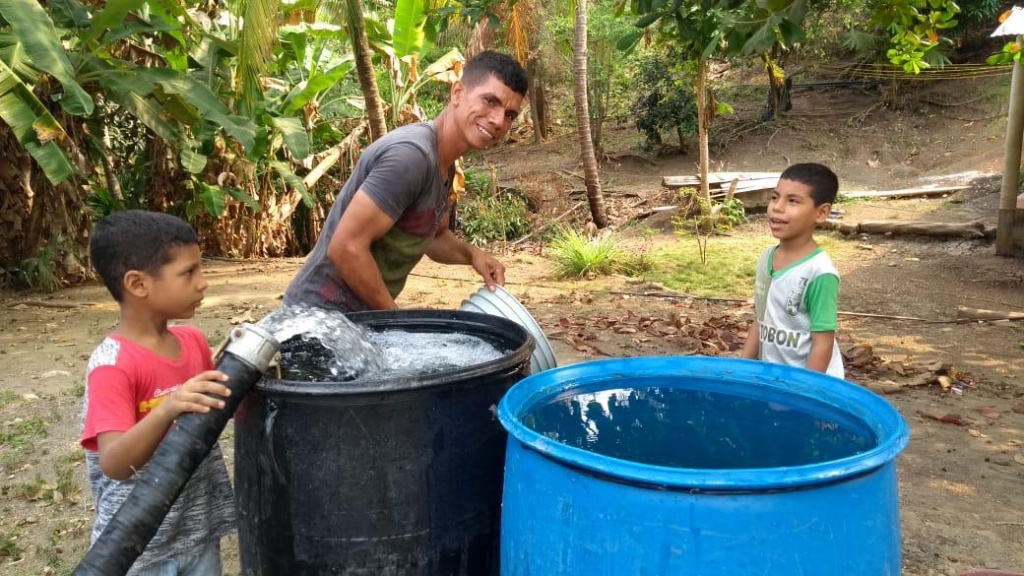
Incluso en los momentos más fuertes de la sequía en el país, el departamento no ha tenido desabastecimientos del liquido vital, pero todavía hay familias que no tienen acceso a agua potable.
Esto no solo genera problemas de salud, también es un factor de la muerte de niños y niñas menores de 5 años de edad por enfermedades asociadas a la desnutrición.
La gerente general de empresas públicas de Risaralda, aseguró que la falta de agua potable se presenta sobre todo en el sector rural, especialmente en municipios como Pueblo Rico y Mistrató.
Teniendo en cuenta que hay sectores donde es muy difícil y costoso llegar con el servicio de acueductos, actualmente la apuesta es por servicios no convencionales para el suministro de agua potable. Estos sistemas no requieren de contar con una planta potabilizadora y sí con el aprovechamiento de agua lluvia, entre otros.
THOUSANDS OF PEOPLE DRINKING UNCLEAN WATER IN RISARALDA.
BY: LUIS ALBERTO FIGUEROA — LUALFI — PROFESSIONAL CARD 0222 ISSUED BY THE NATIONAL MINISTRY OF EDUCATION.
Risaralda enjoys excellent water quality, especially in urban areas and populated centers, because the situation in rural areas is different.
The department has enviable water resources, with rivers, streams, lagoons, and other sources of water that can be seen throughout the country.
Even during the worst periods of drought in the country, the department has not experienced shortages of this vital liquid, but there are still families without access to safe drinking water.
This not only causes health problems but is also a factor in the deaths of children under 5 years of age from diseases associated with malnutrition.
The general manager of public utilities in Risaralda stated that the lack of drinking water is particularly prevalent in rural areas, especially in municipalities such as Pueblo Rico and Mistrató. Considering that there are areas where water supply is very difficult and expensive to reach, the current focus is on non-conventional services for drinking water supply. These systems do not require a water treatment plant and do require the use of rainwater, among other things.
Más Noticias
 8 junio, 2025 Senador Uribe turay,
- 11 septiembre, 2019 Rearme de la Guerrilla afecta la Movilidad en Varios Departamentos del País
- 12 julio, 2022 COVID.19, AMENZAS VIGENTE.
- 12 abril, 2018 Programas de Emprendimiento de la Càmara de Comercio de Pereira