


Por: Luis Alberto Figueroa, Comunicador Social Periodista. Tarjeta Profesional 0222 expedida por el Ministerio de Educación Nacional
Los últimos jefes del secretariado de las extintas Fuerzas Armadas Revolucionarias de Colombia (FARC) reconocieron este lunes su responsabilidad y pidieron perdón públicamente por el reclutamiento y utilización de niñas, niños y adolescentes durante el conflicto armado colombiano. El acto se desarrolló en el marco de los procesos adelantados por la Jurisdicción Especial para la Paz (JEP), tribunal creado tras la firma del acuerdo de paz entre el Gobierno colombiano y las FARC en 2016.
Los excomandantes que reconocieron su responsabilidad son Rodrigo Londoño, conocido como «Timochenko», Pastor Alape, Milton de Jesús Toncel, Jime Parra y Julián Gallo, quienes integraron el último Secretariado de las FARC, la máxima instancia de mando de esa organización armada. Sus declaraciones representan un hito histórico dentro del proceso de justicia transicional colombiano, al tratarse de los máximos responsables del grupo guerrillero más antiguo del continente.
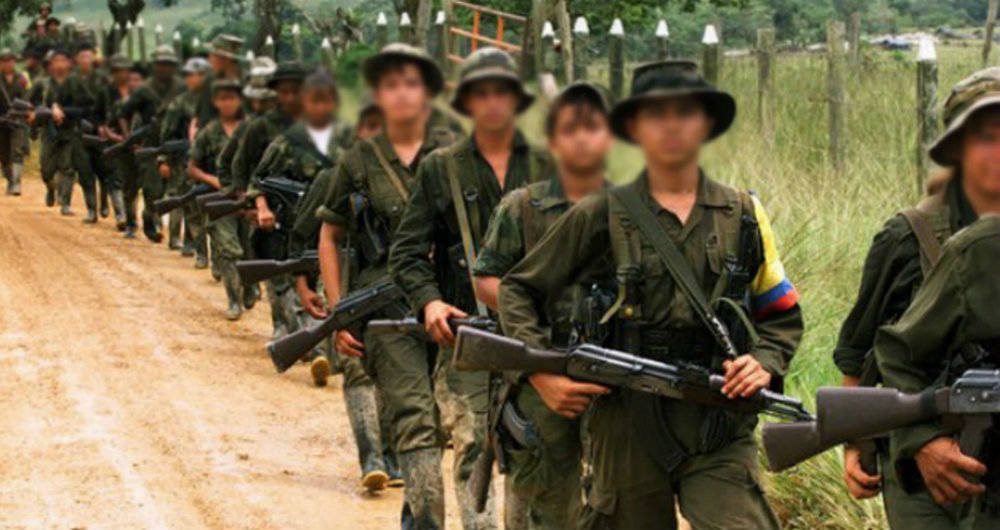
La JEP documentó que entre 1971 y 2016 las FARC reclutaron a 18.677 menores de edad, convirtiéndose este en uno de los crímenes de guerra más graves reconocidos en el marco del proceso de paz. Con base en esta documentación, el alto tribunal imputó formalmente a los seis excomandantes en noviembre de 2024, señalándolos como responsables directos de estas conductas sistemáticas contra la infancia colombiana.
Las imputaciones no se limitaron al reclutamiento ilícito de menores. El tribunal también les atribuyó responsabilidad por malos tratos, tortura, homicidios y múltiples formas de violencia sexual, reproductiva y por prejuicio cometidas contra los niños, niñas y adolescentes que fueron incorporados a las filas del grupo armado. Estas conductas, documentadas durante más de cuatro décadas de conflicto, evidencian la magnitud del daño causado a las víctimas y sus familias.
El reconocimiento de responsabilidad por parte de los exjefes guerrilleros es un paso fundamental dentro del sistema de justicia transicional en Colombia, que busca garantizar la verdad, la justicia, la reparación y la no repetición. Para las organizaciones de derechos humanos y las víctimas del conflicto, este momento representa una oportunidad histórica para avanzar en la reparación integral de miles de colombianos que vieron truncada su infancia por la guerra.
English version
Former FARC Leaders Apologize for Recruiting Over 18,000 Minors During Colombia’s Armed Conflict
The last members of the secretariat of the now-defunct Revolutionary Armed Forces of Colombia (FARC) publicly acknowledged their responsibility this Monday and asked for forgiveness for the recruitment and use of children and adolescents during the Colombian armed conflict. The event took place within the framework of proceedings before the Special Jurisdiction for Peace (JEP), a tribunal established following the 2016 peace agreement between the Colombian government and the FARC.
The former commanders who acknowledged responsibility are Rodrigo Londoño (known as «Timochenko»), Pastor Alape, Milton de Jesús Toncel, Jime Parra, and Julián Gallo — all members of the last FARC Secretariat, the organization’s highest command body. Their statements mark a historic milestone in Colombia’s transitional justice process, as they represent the top leadership of the longest-standing guerrilla group in the Western Hemisphere.
The JEP documented that between 1971 and 2016, the FARC recruited 18,677 minors, making this one of the most serious war crimes acknowledged within the peace process. Based on this documentation, the tribunal formally charged the six former commanders in November 2024, holding them directly responsible for these systematic crimes against Colombian children.
The charges extended beyond the illegal recruitment of minors. The tribunal also attributed responsibility for mistreatment, torture, homicides, and multiple forms of sexual, reproductive, and prejudice-based violence committed against the children incorporated into the armed group’s ranks. These actions, documented over more than four decades of conflict, underscore the profound harm inflicted on victims and their families.
The acknowledgment of responsibility by the former guerrilla leaders is a crucial step within Colombia’s transitional justice system, which seeks to guarantee truth, justice, reparation, and non-repetition. For human rights organizations and conflict victims alike, this moment represents a historic opportunity to advance the comprehensive reparation of thousands of Colombians whose childhoods were stolen by war.
Más Noticias
 29 abril, 2021 A la gente le cuesta entenderlo»: Rubén Castro, primer transexual español embarazado
- 15 julio, 2020 Alianza SENA – Ibraco
- 1 abril, 2026 En un hecho histórico, primeras cadetes femeninas de Infantería de Marina reciben las armas y juran fidelidad a la bandera.
- 24 noviembre, 2017 Firmado Convenio entre la Gobernaciòn y Alcaldìa de Pereira


