


Miércoles de Ceniza 2026: millones de fieles inician la Cuaresma en reflexión y penitencia global.
Por: Luis Alberto Figueroa, Comunicador Social Periodista. Tarjeta Profesional 0222 expedida por el Ministerio de Educación Nacional.
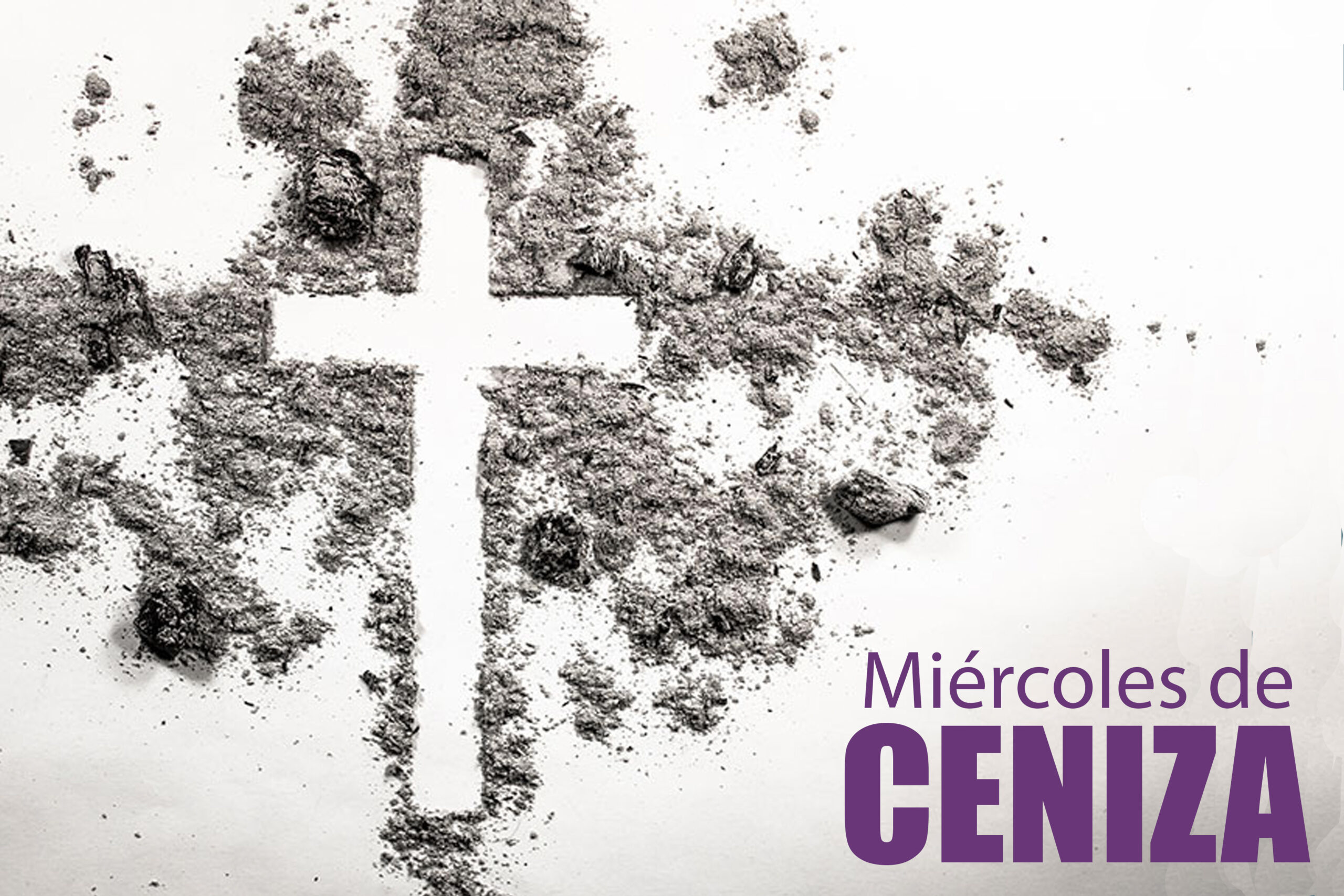
Este 18 de febrero de 2026, millones de católicos, anglicanos y fieles de diversas denominaciones protestantes en todo el mundo conmemoran el Miércoles de Ceniza, fecha que marca el inicio de la Cuaresma y abre un período de 40 días de preparación espiritual hacia la Semana Santa y la Pascua. Aunque no constituye un día de precepto obligatorio, esta celebración de alcance universal convoca a los creyentes a participar en misas donde reciben la imposición de ceniza en la frente como símbolo de penitencia, humildad y reconocimiento de la fragilidad humana.
La ceniza utilizada en este rito posee un profundo significado litúrgico: proviene de los ramos bendecidos durante el Domingo de Ramos del año anterior, que son quemados específicamente para este propósito. Al imponerla en forma de cruz sobre la frente de los fieles, los sacerdotes pronuncian las palabras «Acuérdate que eres polvo y en polvo te convertirás» o «Conviértete y cree en el Evangelio», recordando la transitoriedad de la existencia terrenal y la necesidad del arrepentimiento como camino de transformación espiritual.
Este día inaugural de la Cuaresma implica también prácticas de disciplina corporal y espiritual. La Iglesia Católica solicita a los fieles entre 18 y 60 años observar el ayuno, limitándose a una comida fuerte durante el día, además de practicar la abstinencia de carne. Estas prescripciones buscan fortalecer el espíritu mediante la renuncia voluntaria, preparando a los creyentes para vivir con mayor intensidad el misterio pascual que culmina en la resurrección de Cristo.
Es importante señalar que esta tradición corresponde específicamente a la Iglesia Católica y otras iglesias cristianas occidentales. Las iglesias ortodoxas orientales siguen un calendario litúrgico diferente: su Cuaresma no comienza en miércoles, sino un lunes, siete semanas antes de Pascua, y no incluyen el rito de imposición de cenizas. Esta diferencia refleja las distintas tradiciones litúrgicas que se desarrollaron tras la separación entre el cristianismo oriental y occidental.
El Miércoles de Ceniza trasciende fronteras geográficas y culturales, constituyéndose en un momento de unidad para la comunidad cristiana occidental. En catedrales, parroquias urbanas y capillas rurales de los cinco continentes, los fieles comparten esta jornada de reflexión sobre el sentido de la vida, la necesidad de conversión personal y el compromiso con valores evangélicos de justicia, caridad y solidaridad. Este día representa, en esencia, una invitación universal a la renovación interior y al fortalecimiento de la fe mediante la oración, el sacrificio y las obras de misericordia que caracterizan el tiempo cuaresmal.
English version
EDITORIAL OF THE CYBERSPACE NEWSPAPER WWW.NOTIEJE.COM
Ash Wednesday 2026: Millions of faithful begin Lent in global reflection and penance.
By: Luis Alberto Figueroa, Social Communicator and Journalist. Professional License 0222 issued by the Ministry of National Education.
This February 18, 2026, millions of Catholics, Anglicans, and faithful of various Protestant denominations around the world commemorate Ash Wednesday, the date that marks the beginning of Lent and opens a 40-day period of spiritual preparation for Holy Week and Easter. Although it is not a holy day of obligation, this universal celebration calls believers to participate in Masses where they receive the imposition of ashes on their foreheads as a symbol of penance, humility, and recognition of human frailty.
The ashes used in this rite have a profound liturgical significance: they come from the palms blessed on Palm Sunday of the previous year, which are burned specifically for this purpose. When imposing them in the shape of a cross on the foreheads of the faithful, the priests pronounce the words «Remember that you are dust, and to dust you shall return» or «Repent and believe in the Gospel,» recalling the transience of earthly existence and the necessity of repentance as a path to spiritual transformation.
This inaugural day of Lent also involves practices of bodily and spiritual discipline. The Catholic Church asks the faithful between the ages of 18 and 60 to observe fasting, limiting themselves to one substantial meal during the day, in addition to abstaining from meat. These prescriptions seek to strengthen the spirit through voluntary renunciation, preparing believers to experience more intensely the Paschal Mystery that culminates in the resurrection of Christ.
It is important to note that this tradition belongs specifically to the Catholic Church and other Western Christian churches. The Eastern Orthodox Churches follow a different liturgical calendar: their Lent does not begin on a Wednesday, but on a Monday, seven weeks before Easter, and they do not include the rite of the imposition of ashes. This difference reflects the distinct liturgical traditions that developed after the separation between Eastern and Western Christianity.
Ash Wednesday transcends geographical and cultural boundaries, becoming a moment of unity for the Western Christian community. In cathedrals, urban parishes, and rural chapels across the five continents, the faithful share this day of reflection on the meaning of life, the need for personal conversion, and the commitment to Gospel values of justice, charity, and solidarity. This day essentially represents a universal invitation to inner renewal and the strengthening of faith through prayer, sacrifice, and the works of mercy that characterize the Lenten season.
Más Noticias
 24 enero, 2025 Orden Presidencial.
- 9 abril, 2022 Alcaldes del País Rinden Homenaje al presidente Iván Duque Márquez.
- 8 noviembre, 2023 SOLIDARIDAD INTERSEXUAL. POR: RUBÉN DARÍO FRANCO NARVÁEZ (Escritor, Periodista).
- 22 junio, 2025 POR EL ECRITOR,COMUNICADOR SOCIAL PERIODISTA, RUBÉN DARÍO FRANCO NARVÁEZ, PRESIDENTE COMUNICADORES SOCIALES PERIODISTAS RISARALDA PRI.


