



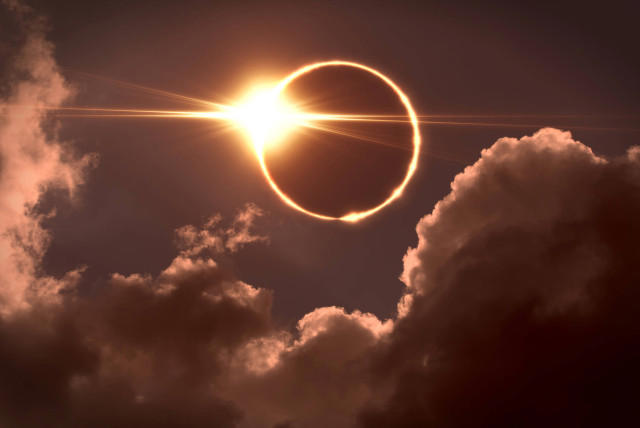
Un eclipse solar total, considerado uno de los eventos astronómicos más espectaculares del siglo, ocurrirá el próximo 21 de agosto de 2027, y podrá ser observado en su totalidad en varios países de América del Sur y el Pacífico. Este fenómeno, que durará aproximadamente seis minutos, será visible en partes de Perú, Ecuador, Colombia, Bolivia, Chile, Argentina, Brasil, Paraguay, Uruguay, y también en zonas de Oceanía y el norte de Australia. El eclipse ofrecerá a los observadores una oportunidad única de presenciar cómo la Luna bloquea completamente el Sol, creando un momento de oscuridad temporal en el cielo.
Este evento astronómico no solo es un espectáculo visual, sino también una oportunidad para estudiar la interacción entre la Tierra, la Luna y el Sol. Los científicos aprovecharán la ocasión para realizar observaciones detalladas de la corona solar, una capa exterior del Sol que normalmente es difícil de observar debido a su brillo. Además, el eclipse permitirá a los astrónomos estudiar la atmósfera terrestre y la forma en que la luz solar se comporta durante este fenómeno. La importancia científica de este evento lo convierte en un momento clave para la investigación astronómica.
Para los ciudadanos, el eclipse será una oportunidad para aprender más sobre el sistema solar y la importancia de la observación astronómica. Se recomienda a los espectadores que usen gafos de eclipse específicos para proteger sus ojos durante la observación. Además, se prevén eventos educativos y actividades comunitarias en las regiones afectadas, donde expertos compartirán información sobre la ciencia detrás del fenómeno. La combinación de educación, seguridad y observación hará de este evento una experiencia memorable para muchas personas.
Este eclipse no solo será un evento astronómico, sino también una oportunidad para unir a la sociedad en torno a la ciencia y la naturaleza. La preparación y el interés de la población en este fenómeno reflejan el creciente interés por la astronomía y la curiosidad humana por el cosmos. La importancia de este evento trasciende el ámbito científico, convirtiéndose en un momento de conexión con el universo.
English version
Century Eclipse: The Sun Will Be Darkened for Six Minutes in a Unique Phenomenon
A total solar eclipse, considered one of the most spectacular astronomical events of the century, will occur on August 21, 2027, and will be visible in its entirety in several countries in South America and the Pacific. This phenomenon, which will last approximately six minutes, will be visible in parts of Peru, Ecuador, Colombia, Bolivia, Chile, Argentina, Brazil, Paraguay, Uruguay, and also in areas of Oceania and northern Australia. The eclipse will offer observers a unique opportunity to witness how the Moon will completely block the Sun, creating a moment of temporary darkness in the sky.
This astronomical event is not only a visual spectacle, but also an opportunity to study the interaction between the Earth, the Moon, and the Sun. Scientists will use the occasion to conduct detailed observations of the solar corona, an outer layer of the Sun that is usually difficult to observe due to its brightness. Additionally, the eclipse will allow astronomers to study the Earth’s atmosphere and how solar light behaves during this phenomenon. The scientific importance of this event makes it a key moment for astronomical research.
For citizens, the eclipse will be an opportunity to learn more about the solar system and the importance of astronomical observation. It is recommended that spectators use specific eclipse glasses to protect their eyes during the observation. Moreover, educational events and community activities are expected in the affected regions, where experts will share information about the science behind the phenomenon. The combination of education, safety, and observation will make this event a memorable experience for many people.
This eclipse will not only be an astronomical event, but also an opportunity to unite society around science and nature. The preparation and interest of the population in this phenomenon reflect the growing interest in astronomy and human curiosity about the cosmos. The importance of this event transcends the scientific realm, becoming a moment of connection with the universe.
Más Noticias
 3 junio, 2024 DETENIDO POR LA POLICÍA.
- 5 agosto, 2020 Expresidente Alvaro Uribe Vélez, dió Positivo para covid-19
- 27 diciembre, 2020 SINTOMAS FIEBRE CONSTANTE, TOS SECA, DIFICULTAD PARA RESPIRAR SON SINTOMAS PROPIOS PARA COVID-19. INFORMA A CENTRO DE SALUD
- 5 julio, 2024 IMPACTO DEL ACOSO CALLEJERO LOS COLECTIVOS ESTUDIAN EL FENÓMENO Y LOS DETENIDOS QUEDAN LIBRES.