


En San Andrés Isla, Armada de Colombia detecta actividad ilegal de cebado de fauna marina en cayo acuario
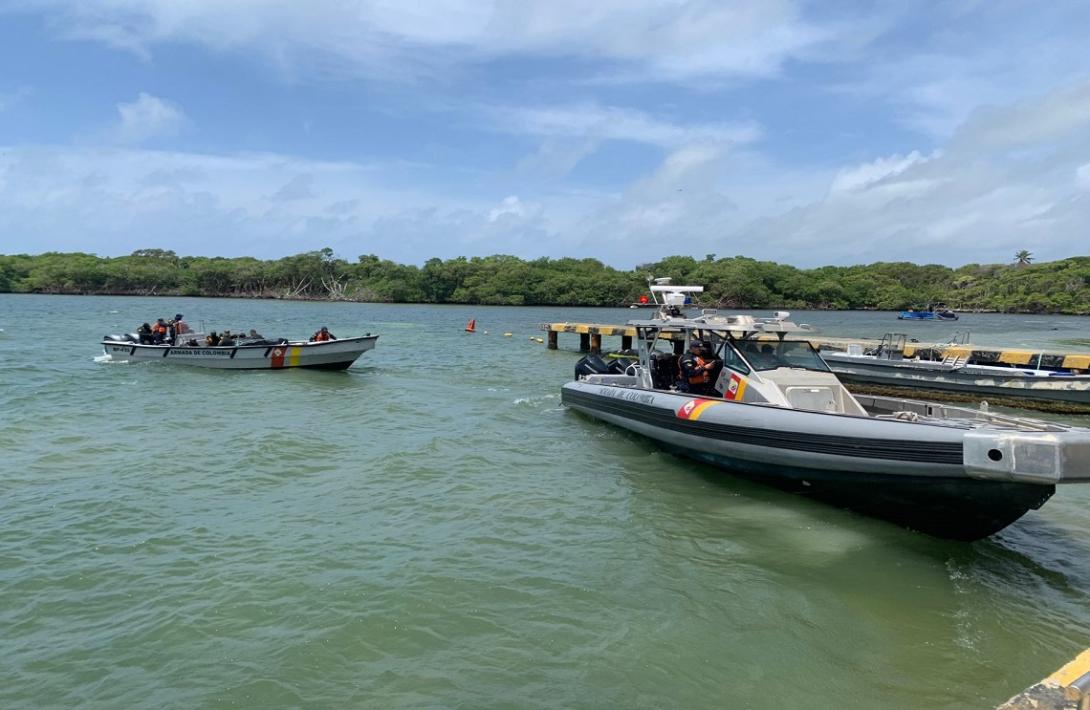
Según la resolución 611 de 2022 de CORALINA, está prohibido el cebado y manipulación de fauna marina en el Archipiélago.
En el marco del d-23espliegue del Plan Acorazado, estrategia de seguridad con ocasión de la temporada turística en el Archipiélago de San Andrés, Providencia y Santa Catalina, la Armada de Colombia, en coordinación con la Policía Nacional y la Corporación para el Desarrollo Sostenible del Archipiélago – CORALINA -, intervino una actividad ilegal que afectaba directamente al equilibrio del ecosistema marino.
Durante una operación de patrullaje marítimo en el sector de Cayo Acuario, fueron sorprendidas tres personas realizando cebado de especies marinas como tiburones y mantarrayas, presuntamente con el propósito de atraer turistas. Esta práctica altera la conducta natural de los animales, rompe el equilibrio de la cadena trófica y genera dependencia alimentaria artificial, afectando de esta manera la biodiversidad de una de las reservas naturales más importantes del país.
Además del impacto ambiental, esta actividad ilegal representa un riesgo para la seguridad de los usuarios del mar, incluidos turistas y trabajadores del sector náutico. La alteración del comportamiento natural de especies como los tiburones, puede generar situaciones de peligro al fomentar una interacción antinatural entre humanos y fauna silvestre, especialmente en zonas frecuentadas para la recreación, como el buceo o el careteo. La presencia constante de estas especies, atraídas artificialmente por el cebado, incrementa la probabilidad de incidentes y pone en riesgo la integridad de quienes disfrutan del mar Caribe como destino turístico o medio de subsistencia.
Los involucrados, todos de nacionalidad colombiana, fueron capturados por la Policía Nacional y transportados por la Armada de Colombia a bordo de una Unidad de Reacción Rápida – URR -, hasta el muelle de la Estación de Guardacostas de San Andrés, donde se iniciaron los procedimientos judiciales correspondientes.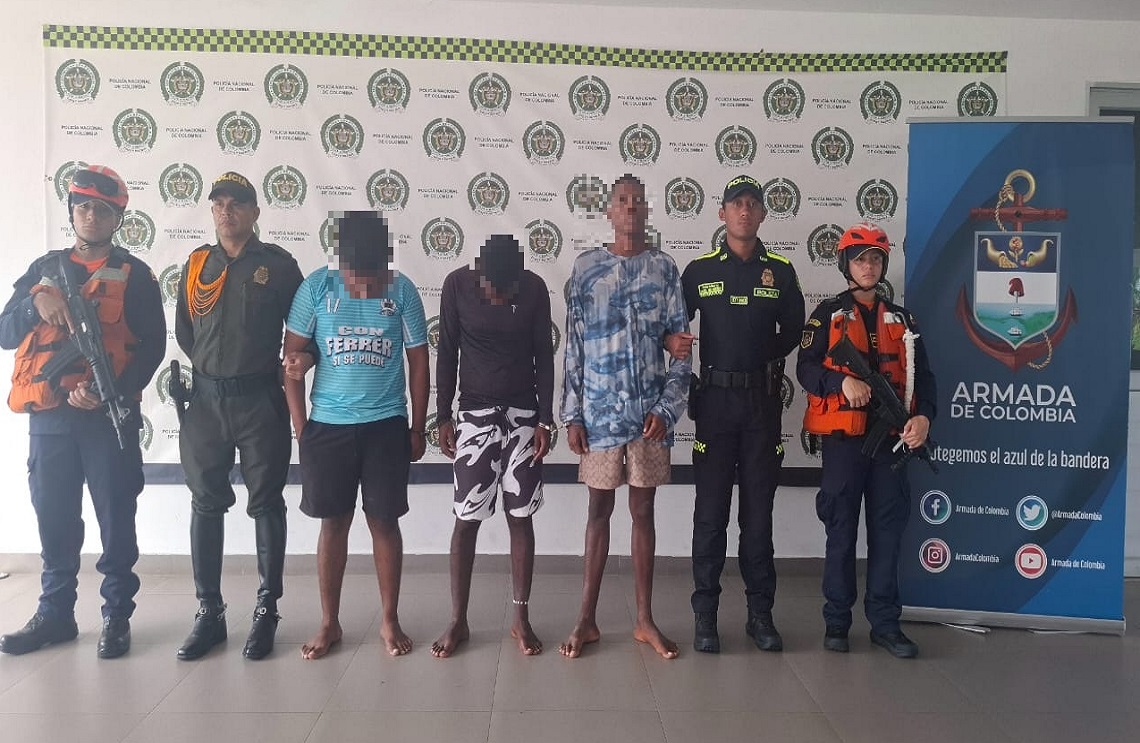
Esta conducta está tipificada como delito ambiental conforme a la Ley 2111 de 2021, artículo 328, y contempla sanciones penales entre 60 y 135 meses de prisión, además de multas que pueden alcanzar hasta 43.750 salarios mínimos legales mensuales vigentes.
La Armada de Colombia, a través de la Fuerza Naval del Caribe y su Comando Específico en el Archipiélago, reafirma su compromiso con la protección del patrimonio natural del país, en especial de la Reserva de Biósfera Seaflower. Asimismo, invita a la comunidad a rechazar y denunciar este tipo de prácticas que ponen en riesgo la sostenibilidad ambiental de este territorio insular.
Autor: prensa – Armada de Colombia
On San Andrés Island, the Colombian Navy detects illegal baiting of marine fauna on Cayo Acuario
On San Andrés Island, the Colombian Navy detects illegal baiting of marine fauna on Cayo Acuario
According to CORALINA Resolution 611 of 2022, the baiting and handling of marine fauna is prohibited in the archipelago.
As part of the deployment of Plan Acorazado (Battleship Plan), a security strategy for the tourist season in the archipelago of San Andrés, Providencia, and Santa Catalina, the Colombian Navy, in coordination with the National Police and the Corporation for the Sustainable Development of the Archipelago (CORALINA), intervened in an illegal activity that directly affected the balance of the marine ecosystem.
During a maritime patrol operation in the Cayo Acuario sector, three people were caught baiting marine species such as sharks and manta rays, presumably with the purpose of attracting tourists. This practice alters the animals’ natural behavior, disrupts the balance of the food chain, and creates artificial food dependency, thus affecting the biodiversity of one of the country’s most important nature reserves.
In addition to the environmental impact, this illegal activity poses a risk to the safety of sea users, including tourists and workers in the nautical sector. The alteration of the natural behavior of species such as sharks can create dangerous situations by encouraging unnatural interactions between humans and wildlife, especially in areas frequented for recreation, such as diving or snorkeling. The constant presence of these species, artificially attracted by baiting, increases the likelihood of incidents and endangers the safety of those who enjoy the Caribbean Sea as a tourist destination or as a means of subsistence.
Those involved, all Colombian nationals, were captured by the National Police and transported by the Colombian Navy aboard a Rapid Reaction Unit (RRU) to the dock of the San Andrés Coast Guard Station, where the corresponding judicial proceedings were initiated.
On San Andrés Island, the Colombian Navy detects illegal baiting of marine fauna on Aquarium Cay
This conduct is classified as an environmental crime under Law 2111 of 2021, Article 328, and carries penalties of between 60 and 135 months in prison, in addition to fines that can reach up to 43,750 times the current monthly legal minimum wage.
The Colombian Navy, through the Caribbean Naval Force and its Specific Command in the Archipelago, reaffirms its commitment to the protection of the country’s natural heritage, especially the Seaflower Biosphere Reserve. It also invites the community to reject and denounce these types of practices that jeopardize the environmental sustainability of this island territory.
Author: Press – Colombian Navy
Más Noticias
 22 enero, 2026 IMAGENES Y RESULTADO DE LA RUEDA DE PRENSA CON EL GOBERNADOR JUAN DIEGO PATIÑO OCHOA Y EL COMANDANTE DEL BATALLON NRO. 8 DE ARTILLERIA SAN MATEO ACANTONADO EN PEREIRA. CORONEL LUIS ALFONSO PALOMINO ELEJALDE.-
- 6 febrero, 2026 QUINES MÁS TIENEN O LAS CLASES POPULRES.-
- 22 septiembre, 2018 cplumna del Dr. Gustavo Pèrez González
- 8 julio, 2020 Gobierno Nacional Expide Decreto que Define Nueva Ruta de Sometimiento Individual a la Justicia de Integrantes de Equipos Armados Organizados s